
What Do You Really Need to Build and Launch Your Online Business 1.0?
How to create a simple but complete online business that attracts, enrolls, and serves paying customers.
If you're an experienced professional planning to build an online business, you've probably been thinking about the things you'll need. A website. An email list. A newsletter. Maybe an online course, a workshop, or a coaching program. And, of course, you'll need some technology to make it all work.
But having a collection of online assets doesn't necessarily mean you have an operational online business. Your website might look great. Your course might be ready to deliver. You might even have a growing social media following.
But unless those pieces work together to attract prospective customers, enroll them in your offers, and deliver the results you've promised, you still don't have an operational online business.
Start with a Simple, Revenue-Generating Business
You don't need a comprehensive website, multiple courses, a complicated marketing funnel, and a sophisticated collection of automated systems to launch your first online business. Instead, start with one medium-priced, revenue-generating offer and the supporting capabilities needed to sell and deliver it.
For example, you decide to offer a five-week live online course. To turn that course into an operational business, you need three essential capabilities:
-
Attract prospective customers who might benefit from your course.
-
Enroll paying customers through a sales and checkout process.
-
Deliver the promised results through the course experience.
Design the Customer Experience First
Before deciding which technology to use or which pages to build, think about the experience you want your customers to have.
Imagine someone discovering you as an expert in your topic area through a social media post. Or perhaps you've reached out to them personally through a direct message or email.
In your posts or messages, you've been talking about how you can help people overcome a challenge they're facing. You invite them to schedule a conversation to discuss their situation in more detail.
During that conversation, they decide the course you're offering is a good fit for them.
You direct them to an online sales page and checkout process. After enrolling, they receive a confirmation, instructions for participating, and access to the course resources.
They attend the live sessions and, if recordings are included, can return later to review what they've learned.
That's a complete customer experience.
We can organize this experience into four stages: discover, enroll, onboard, and participate.
Next, Identify the Online Assets Needed to Support the Customer Experience
For our live-course example, these online assets will include:
-
Social media profiles, posts, direct messages, and emails that help prospective clients discover your expertise and learn how you can help them overcome a challenge they're facing.
-
An appointment calendar booking system that allows interested prospects to schedule a private conversation with you, either by phone or through an online meeting.
-
A sales landing page and checkout process that explain the value of your course and enable customers to enroll and pay online.
-
A thank-you page and automated purchase confirmation email that acknowledge enrollment and provide instructions for participating in the course.
-
A live meeting room and online course where customers can participate in live sessions and access recordings and other resources.
-
Backend automations that connect the enrollment, confirmation, account setup, and course access processes.
Supporting a full customer experience from discovery, to enrollment, to onboarding, to participation with the appropriate online assets is the way you create an operational online business.
Design Front to Back. Build Back to Front.
Here's one of the most important principles I teach: Design the customer experience from front to back, but build the supporting online assets from back to front.
Why? Because most of the assets you're creating need to connect to something else. When you're making those connections, it's easier when you have something to connect to before you connect them.
For example, before you can send a confirmation email with instructions on how to participate, you need to first set up the Zoom meeting and the online course.
Likewise, your checkout process needs to trigger the appropriate onboarding actions. By configuring the necessary backend processes before completing the sales page and checkout experience, you can ensure that customers receive the right information and access after enrolling.
If you build those destination assets first, the links and resources are already available when you create the pages and emails that point to them.
This back-to-front approach reduces rework and makes it easier to test the complete customer experience before you start promoting your offer.
Build Your Online Business Incrementally in Focused Sprints
You don't have to build everything at once. In fact, for this example, I recommend dividing the work into two focused implementation sprints.
Sprint 1: Build Your Revenue Engine
Start with the capabilities required to enroll customers and deliver your offer. For our live-course example, this includes:
-
Setting up the live meeting and online course.
-
Creating the customer account and course access process.
-
Building the confirmation email and thank-you page.
-
Configuring the sales page and checkout process.
-
Connecting and testing the complete enrollment and delivery experience.
At the end of Sprint 1, you have the essential capabilities needed to sell and deliver your offer.
Sprint 2: Build Your Marketing Support
Once the revenue engine is operational, build the capabilities needed to attract prospective customers. These might include an appointment scheduling system, social media outreach, and promotional content.
By completing Sprint 1 first, you can begin enrolling customers through personal outreach and conversations while you develop the more extensive marketing capabilities in Sprint 2.
There's little value in generating a lot of interest in your marketing and promotion activities if you haven't yet created a reliable way for interested people to become paying customers.
A Practical Example: The Design Your Online Business Workshop
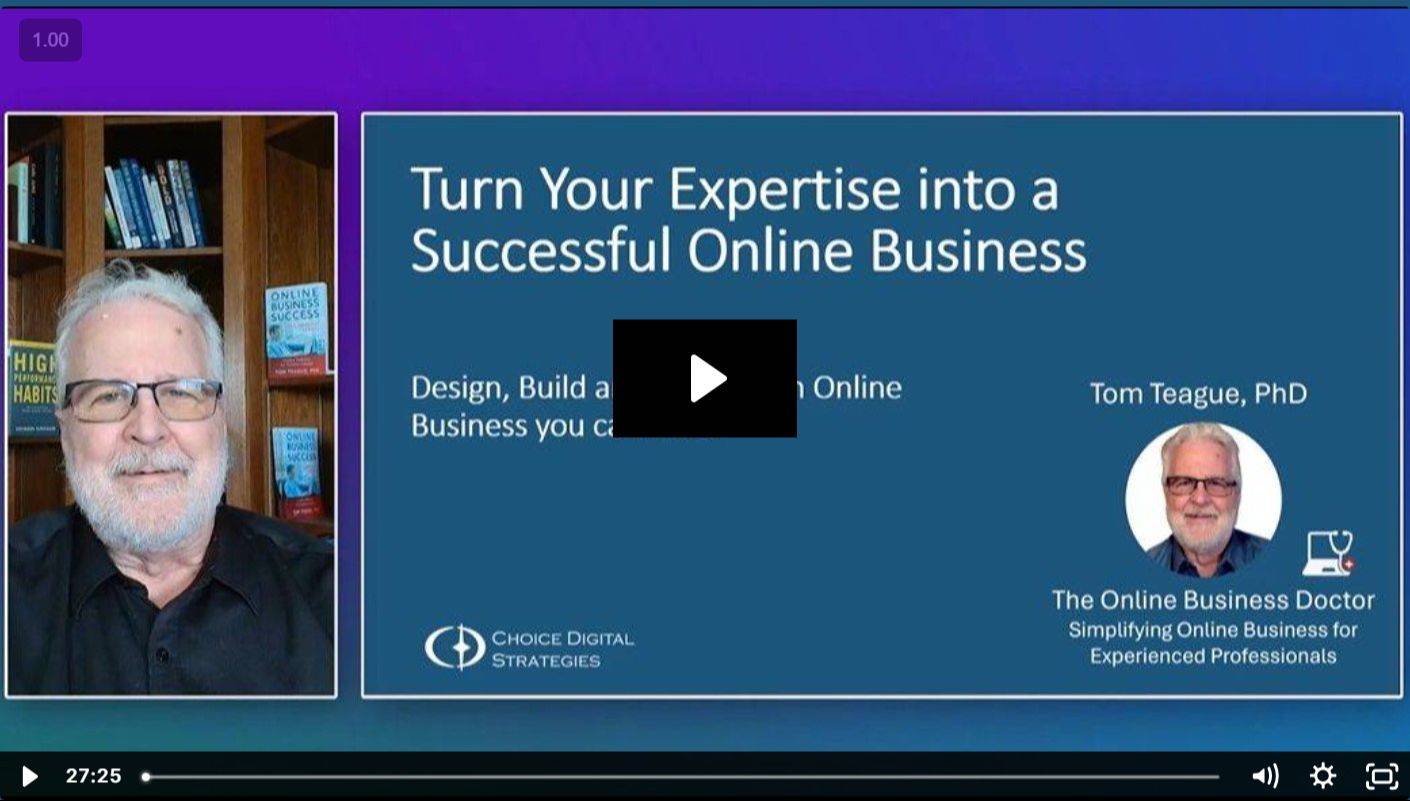
In the video, I demonstrated this approach using my upcoming five-day Design Your Online Business Workshop. Although it's a five-day workshop, the underlying structure is essentially the same as a five-week live course.
Participants register through a landing page and checkout process. They receive a thank-you page and automated confirmation email, along with instructions for accessing the workshop resources.
They also receive access to the Online Experts Community, where they can participate in discussions, complete exercises, and access available resources and recordings.
I use Kajabi to build and connect these pieces through an offer and its associated automations. The important point isn't the particular software. It's that every part of the customer experience has been considered, and the necessary assets work together to support it.
Connecting the online assets together to create a complete customer experience makes the difference between a collection of online assets and an operational online business.
What Will You Build for Your Online Business 1.0?
If you're planning to launch an online business, resist the temptation to build everything you might eventually need.
Instead, remember these five principles:
-
Keep your first business version simple, but complete.
-
Design the customer experience from front to back.
-
Identify the online assets needed to support that experience.
-
Build those assets from back to front.
-
Use focused sprints, building your revenue engine before your marketing support.
Your first operational online business doesn't have to be your ultimate business. It simply needs to be a complete, working version that can attract, enroll, and serve paying customers. Once that's operational, you can improve it and add new capabilities in future business versions.
Ready to Design Your Online Business?
If you're an experienced professional who wants to turn your expertise into a successful online business, I invite you to join my Design Your Online Business Workshop, November 16–20, 2026.
During five days of live training and practical exercises, you'll develop your Initial Online Business Design and determine your best path forward.
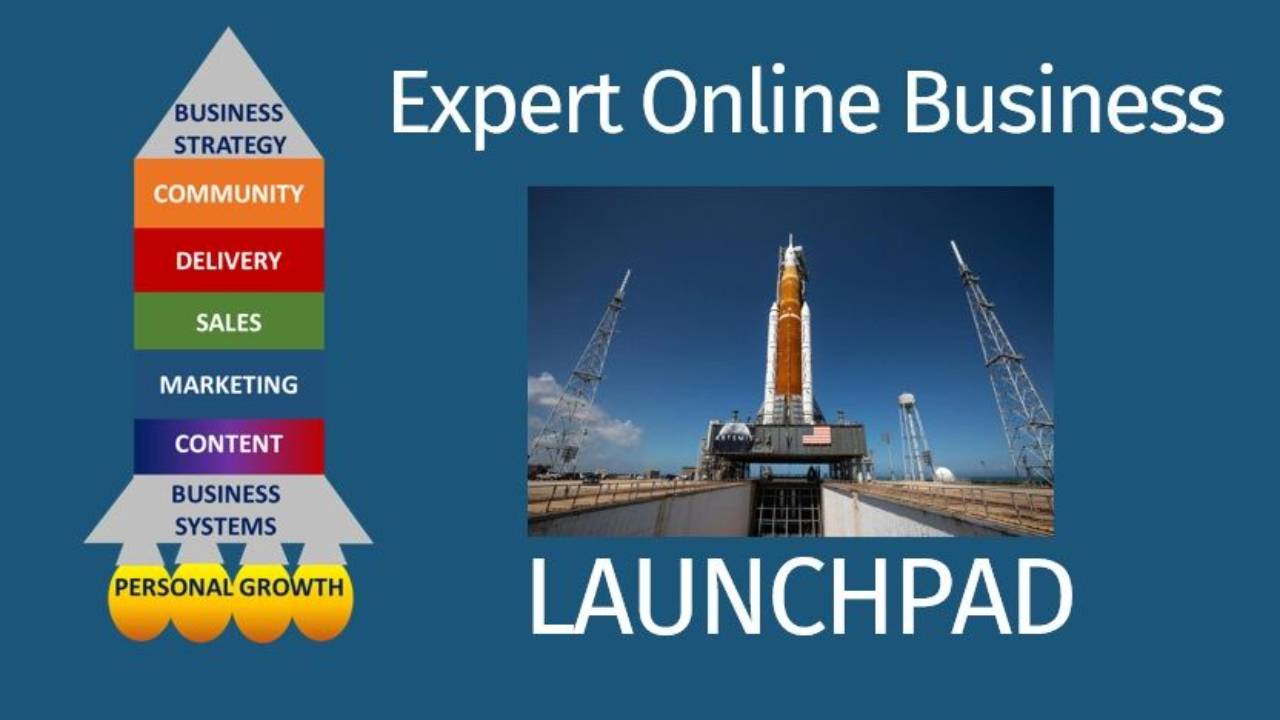
Registration is free, and you'll receive immediate access to the Expert Online Business Launchpad and Online Experts Community.