
Design Your Online Business Before You Build It
Avoid Choosing Technology and Building Systems Too Soon
When I first started exploring the idea of building an online business, the advice seemed pretty straightforward:
Start with a website.
That made sense to me. With my technology background, I decided to build my own website using WordPress.
The result looked like many professional websites. It explained who I was, what I did, my background and expertise, and provided some useful content. And, like many websites, it invited visitors to contact me or schedule a call.
There was just one problem.
A website isn't an online business.
A traditional website is largely a passive information resource. It can tell people about you and what you do, but it doesn't necessarily give them a reason to engage with you or provide a path toward becoming a customer.
So I started learning more about online marketing.
One Reasonable Step Leads to Another
One of the first lessons I learned was that I needed to build an email list.
That meant I needed email marketing software. And simply asking people to subscribe to a newsletter wasn't necessarily enough, so I learned about lead magnets—giving people something valuable in exchange for their contact information.
Now I needed a landing page or funnel system.
But a lead magnet doesn't generate revenue by itself. Eventually, you need something to sell.
Perhaps I could create an online course. I was also a certified coach, so I could offer coaching. Maybe I could create a membership program.
Each possibility created additional technology requirements.
I needed to accept payments. A course required secure hosting and member logins. Coaching might require scheduling and client-management software. A membership might need an online community.
Before long, what started as "I need a website" could turn into a collection of websites, landing pages, email systems, payment processors, course platforms, scheduling tools, community platforms, analytics and integrations.
I call this the spaghetti system.
Each individual technology decision may make sense, but collectively they can become expensive, complicated, frustrating and time-consuming.
I Thought an Integrated Platform Would Solve the Problem
My corporate background in building engineering software systems actually helped me recognize the multiple-systems problem fairly early.
During my corporate career, I had worked with complex software environments in which multiple engineering systems needed to work together. I already knew how difficult and expensive integrating separate systems could become.
So I went looking for an integrated platform.
At the time, there weren't many choices. I eventually invested in an early integrated marketing platform that combined several capabilities. It was expensive and imperfect, but I believed the integrated approach was sound.
Later, I discovered Kajabi, which was emerging as a much more complete integrated platform for online businesses.
I thought I had finally solved my problem.
But I hadn't.
I had solved a systems problem.
I hadn't solved the business problem.
The Technology Couldn't Design My Business for Me
I had tools for creating landing pages, email campaigns, lead magnets and courses.
But the technology couldn't tell me what my offer should be.
It couldn't tell me who my ideal client was or what result I could help them achieve.
It couldn't tell me how a lead magnet should connect to an offer.
It couldn't design the journey that would take someone from discovering me to trusting me, buying from me and ultimately becoming a successful client.
And I learned this by building and trying things, just like I was coached to do and that led me to several dead-ends.
I created a lead magnet that built my email list, but didn't really lead anywhere.
I helped create a live online summit. It attracted people and generated some sales, but we didn't have a clear strategy for what to do with the audience afterward.
I created an online course but I didn't know how to sell it.
I spent a lot of time, effort and money without creating a business that worked.
Eventually, I recognized something that should have been obvious given my background.
In a corporate setting...
We Never Built Software This Way
During my 30-year corporate career, we didn't start building complex software systems without designing them first.
And we didn't start buying technology without understanding the requirements it needed to support.
Yet somehow, when I became a solo entrepreneur, I had not seen how those principles were applicable to my own business.
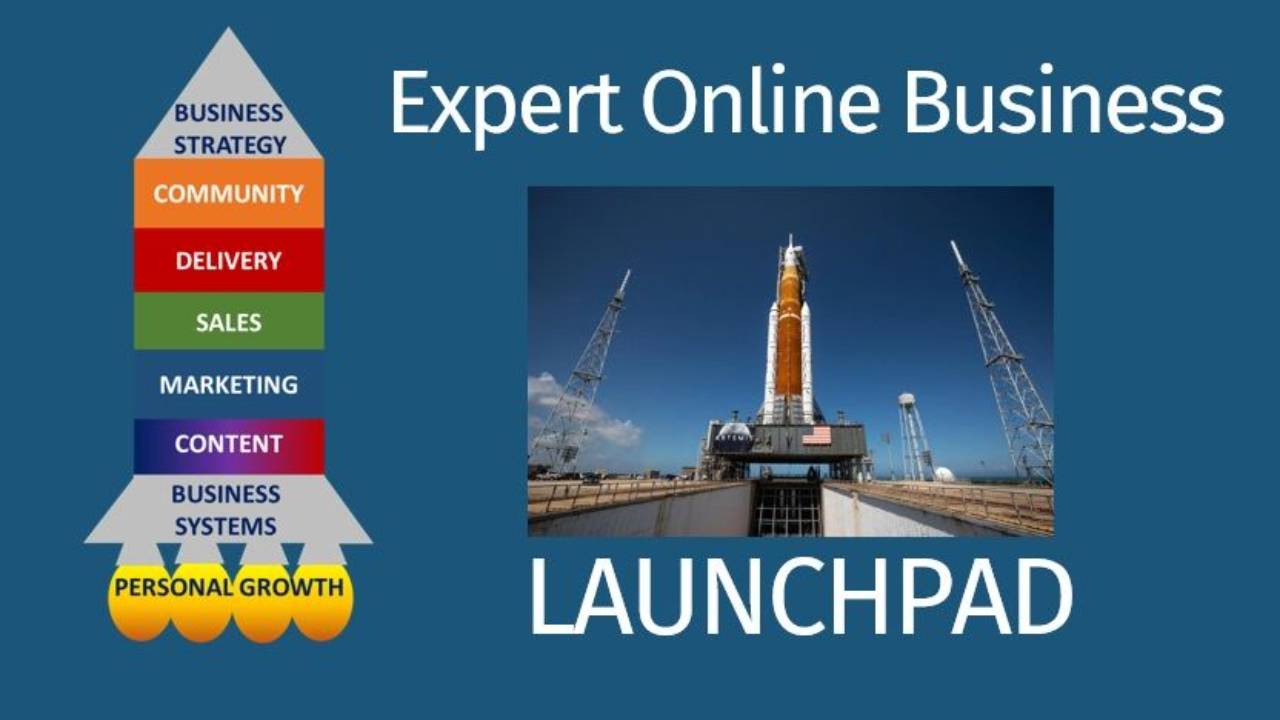
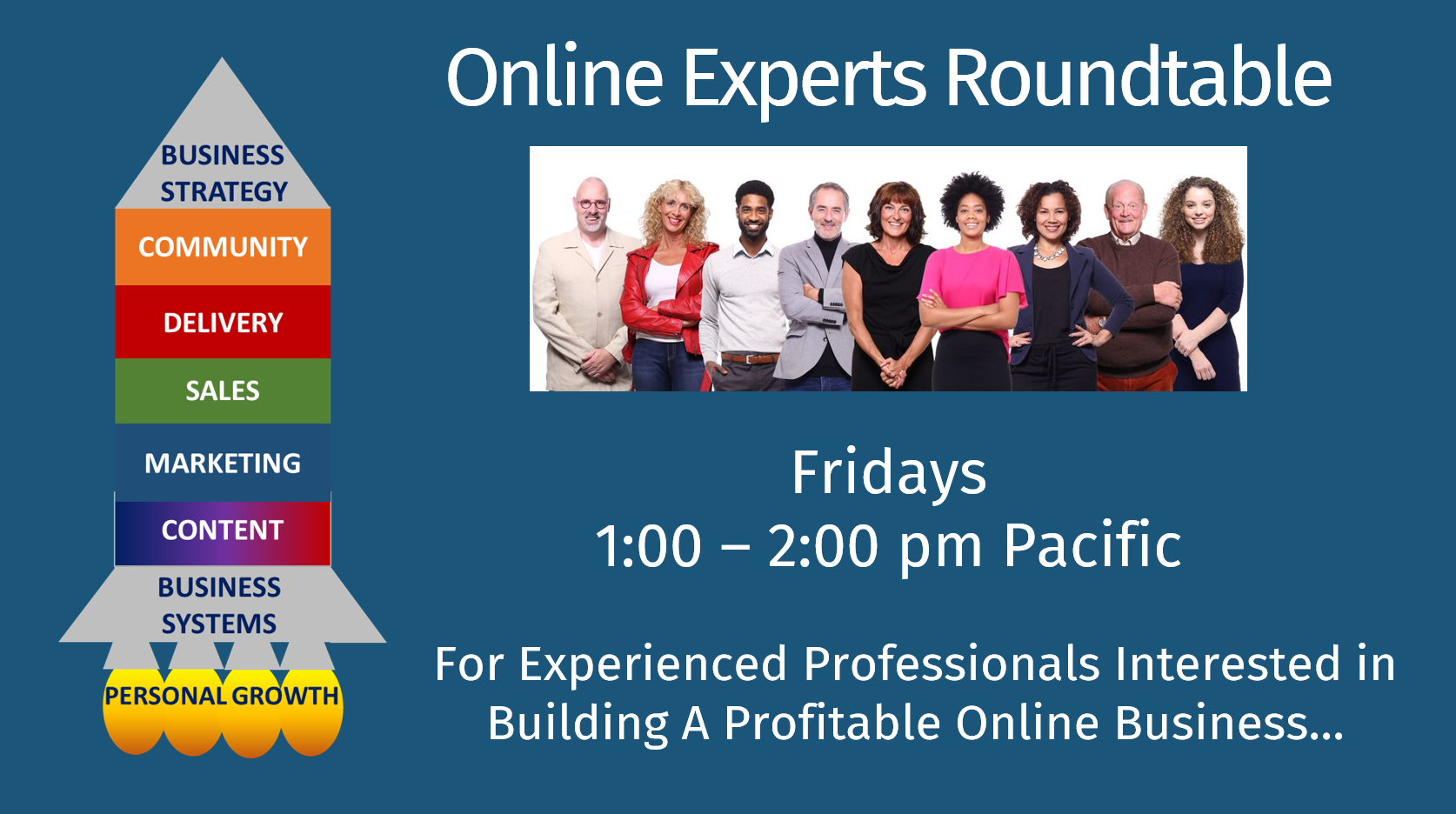
That realization led to one of the foundational principles of the Online Business Success Operating System™ (OBSOS):
Design your online business before you build it.
Start by identifying the clients you want to serve and the results you can help them achieve.
Develop a clear core offer that provides enough value that those clients will be willing to pay for it.
Then design the customer journey.
How will people discover you? How will they get to know and trust you? What opportunities can you provide for them to experience working with you before asking them to make a larger commitment?
Once you've designed that journey, you can identify the systems capabilities required to support it.
When you design is clear, then is the right time to select the technology and start building the systems.
In other words:
Business Design leads to Systems Design and Tool Selection, and that leads to Building the System that you Operate.
And Don't Build Everything at Once
There's another lesson from software engineering that's equally valuable for an online business.
We rarely built an entire software system at once.
We might design a much larger vision, but we'd select a useful subset of capabilities, release a first version, learn from it, and then add capabilities in subsequent versions.
You can build your online business the same way.
Design the larger business and customer journey, but don't assume you need to implement everything immediately.
Start with the capabilities that allow you to generate revenue and deliver value. Then add the supporting pieces over time.
That's why another OBSOS principle is to build in focused sprints, with revenue-generating capabilities first.
Your customer journey drives the technology requirements. Your priorities determine what gets built first. And actual experience operating the business tells you what needs to be improved in the next version.
That's a very different approach from buying technology and building things simply because someone told you that every online business needs them.